Work-From-Home Housing Trends 2026: How Homes Are Being Rebuilt Around Remote Life
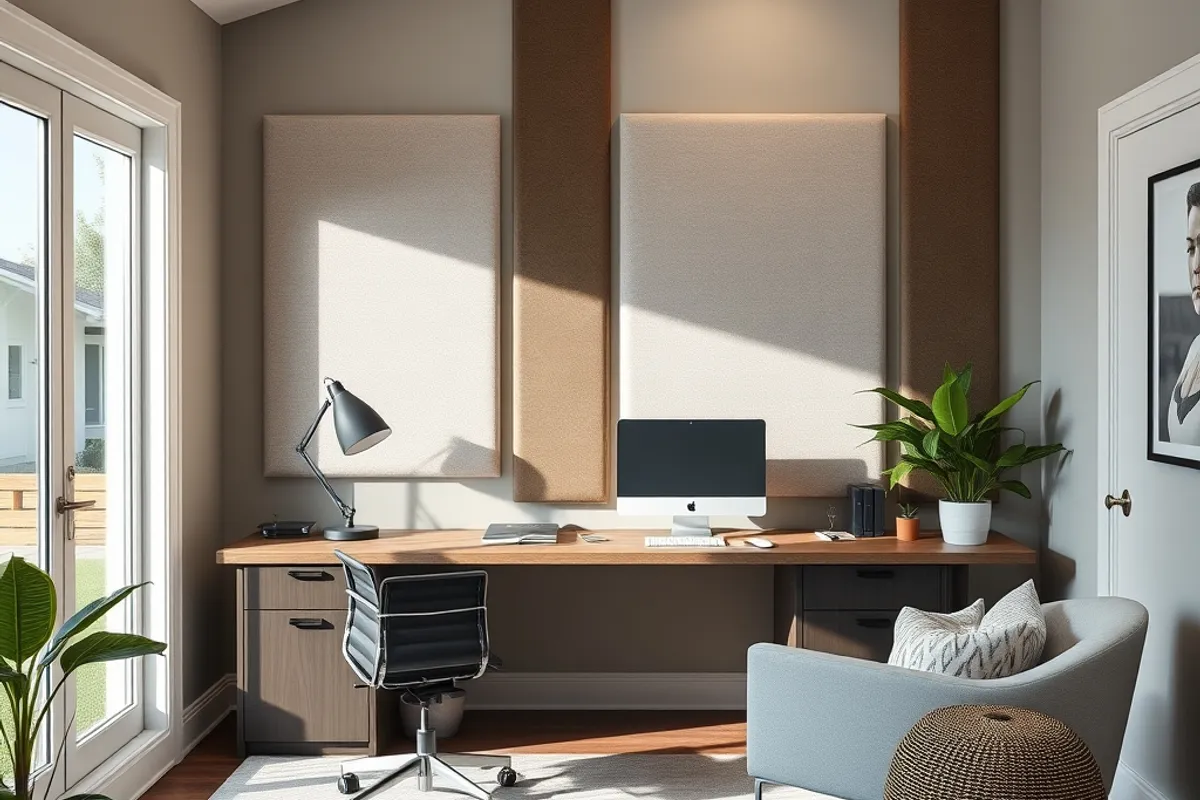
Remote work did not just change where people work. It changed what homes are expected to contain. In 2026, housing markets showed a measurable premium for rooms purpose-built as offices, and renovation demand for dedicated workspace conversions accelerated across the markets we track.
The dedicated office room
The most durable trend is the dedicated office room, not the open-plan workaround. In our renovation tracking, dedicated rooms accounted for the largest share of workspace-related remodels, and buyers were willing to pay for the separation even when the square footage was tight.
Acoustic and lighting performance
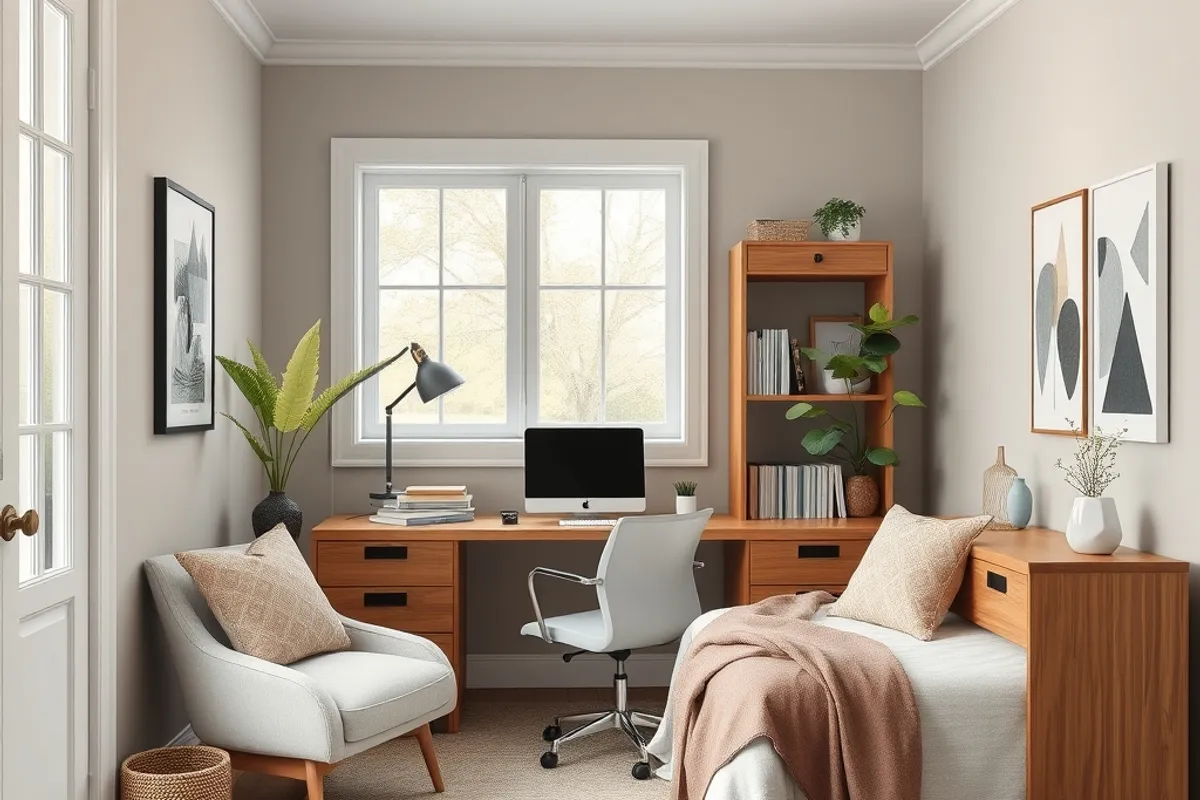
Video calls changed the design requirements more than pure square footage did. Acoustic treatment, window choice and task lighting moved from premium options to baseline expectations in renovated homes, and builders who priced them separately often underestimated the buyer demand.
Second desks and shared spaces
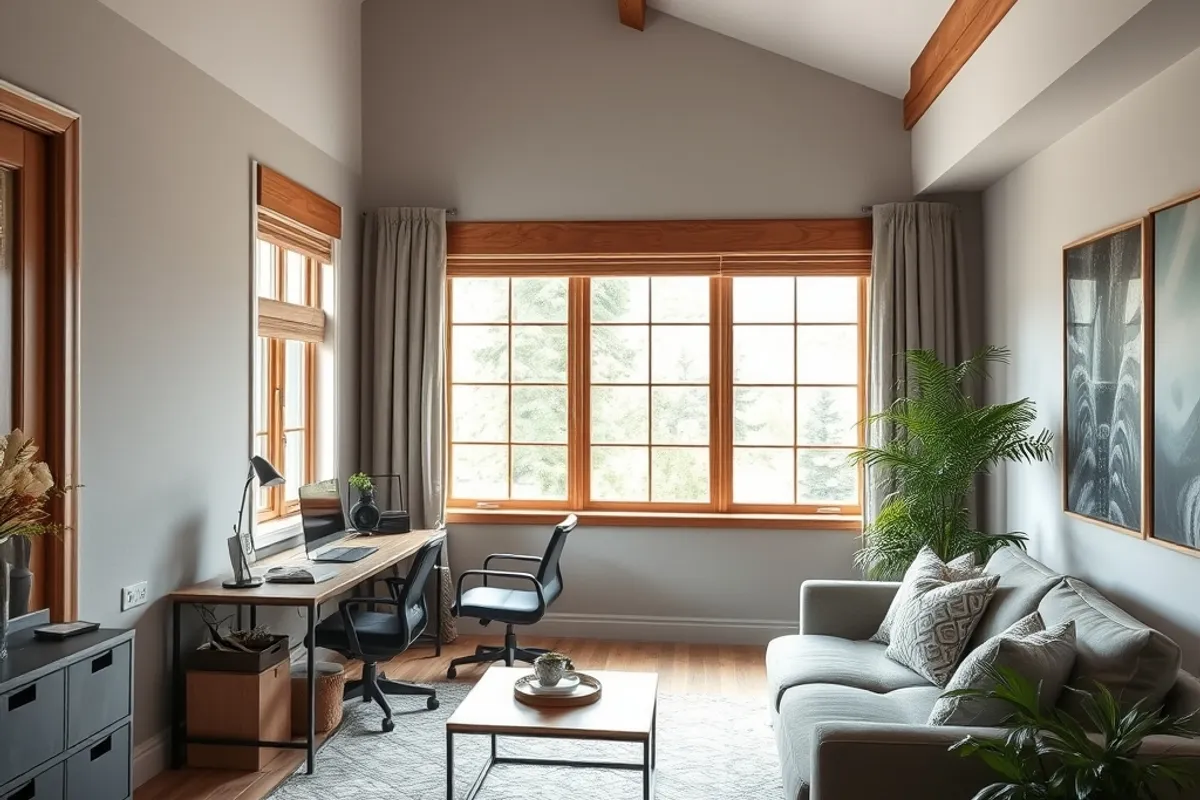
For hybrid households, the trend was not always a second room. Two-desk setups in open or semi-open spaces, with clear zones for deep work and calls, became the most common pattern in our renovation interviews. The design skill was in the zones, not the square footage.
What this means for values
The work-from-home housing trends of 2026 put a clear floor under home values for renovated workspace stock, and put downward pressure on the value of rooms buyers no longer used. The net effect was positive for renovated homes and negative for stock where the office had been converted back to a guest room without buyer demand.
The bottom line
Work-from-home housing trends in 2026 made the dedicated office a value driver, not a luxury. For the construction details behind green and healthy homes, read our guide to passive house costs and the sustainable homes collection.