Passive House Cost in 2026: What a Certified Green Home Really Costs

A passive house is not a style, and the price difference proves it. The standard, now widely called Passive House or Passivhaus, sets performance targets rather than design rules, and a certified build in 2026 averages roughly $350 to $600 per square foot all-in for a 2,000-square-foot home, from site work through certified completion. The same square footage with conventional construction in the same climate zone runs $180 to $300 per square foot. The gap is real, measurable and increasingly worth it as energy costs and climate pressure both rise.
How the passive house budget breaks down
The all-in number is one figure, but it is made of six blocks: site work, foundation, super-insulated shell, airtight membrane, mechanical systems and interior finishes. Site work and foundations usually run $40,000 to $90,000 for a suburban lot. The super-insulated shell, which replaces ordinary insulation with two to three times the usual layer, adds materially to the shell cost, often $90,000 to $160,000 for a 2,000-square-foot home. Airtightness detailing, tapes and membranes add another $8,000 to $15,000, and the mechanical package, dominated by a cold climate heat pump plus mechanical ventilation with heat recovery, runs $35,000 to $60,000.

Airtightness is the standard that drives the cost
The defining test of a passive house is the blower door, which measures air changes per hour at 50 pascal. The certified standard demands 0.6 or better, and the airtight membrane, taped seams and carefully detailed junctions are what make the difference. Skipping the detailing to save money is how a project fails the test later, at which point the retrofit cost exceeds the savings by a wide margin.
Insulation and super-sizing
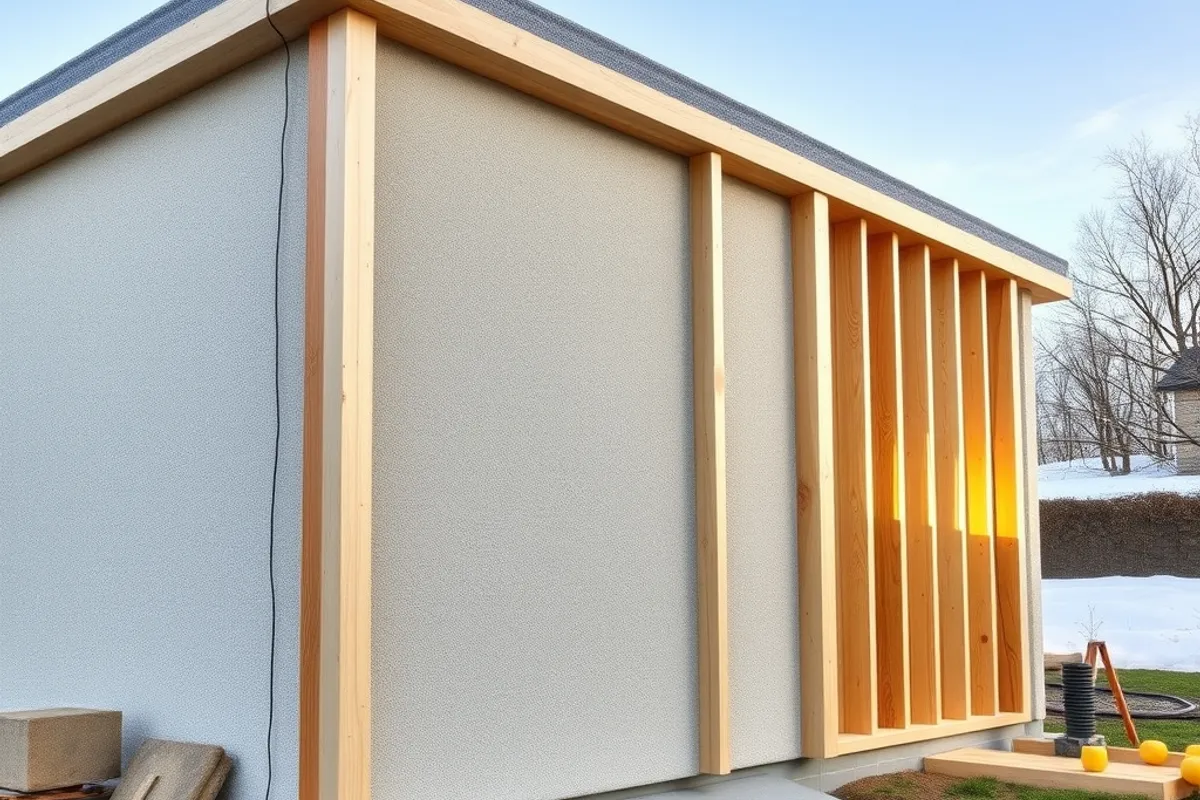
Passive house construction super-insulates the envelope and then reuses the saved area for thermal mass or extra ventilation efficiency. The result is not a thicker wall in every case but a different kind of wall: high-performance assemblies with taped seams, continuous insulation and carefully placed services. That workmanship is the real price driver, which is why certified builders quote a premium for the same plan that an unrated builder could deliver cheaper.
Mechanical systems and heating
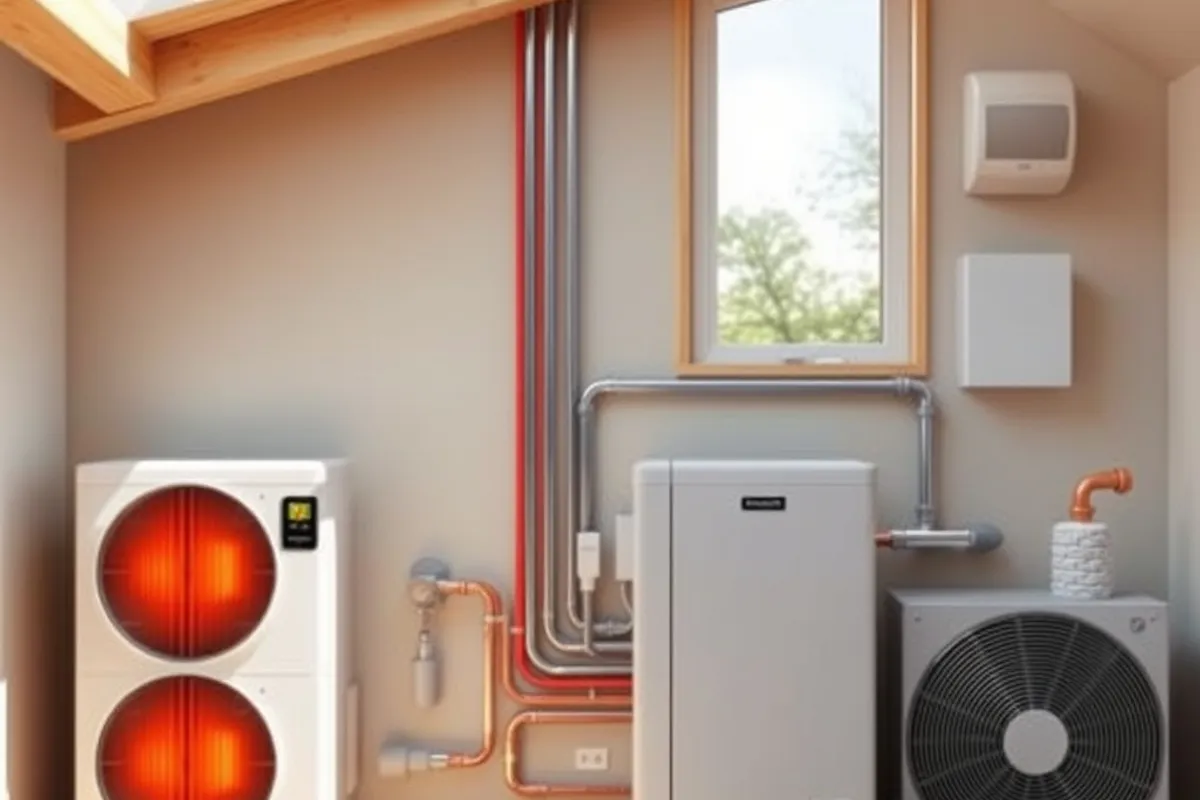
The heating load of a passive house is so low that a cold climate heat pump plus mechanical ventilation with heat recovery covers nearly all demand. Geothermal bore loops are optional and often skipped at this performance level, since the heat pump alone is sized for the tiny load. The ventilation system is not optional: continuous exchange keeps indoor air healthy without fighting the airtight shell.
The certified premium and where it goes
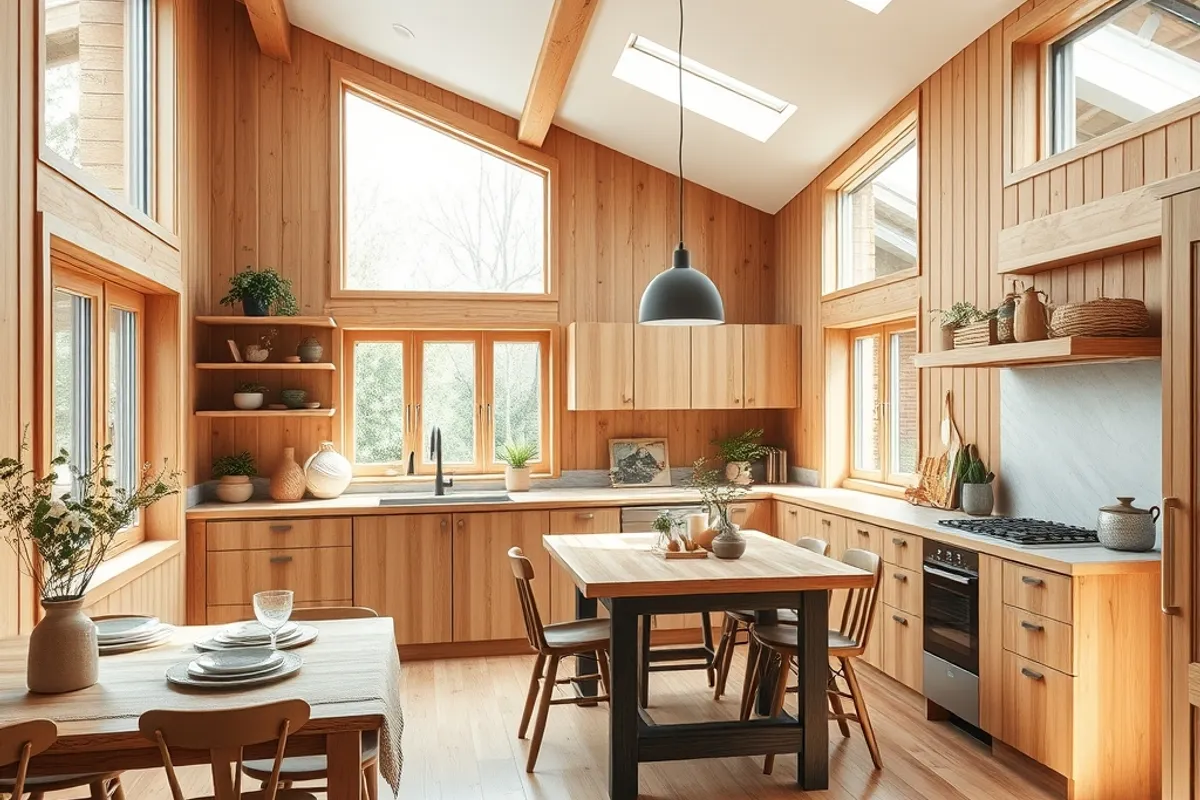
Independent reviewers estimate the certification premium at roughly 8 to 12 percent of construction cost for the certification process itself, while the design and documentation effort adds cost earlier in the project. Those who have built two projects describe the pattern clearly: the unrated shell is cheaper per square foot, but the passive house shell is only cheaper per unit of delivered performance when the airtight and insulation standards are actually met.
"A passive house is not an expensive house. It is a house that refuses to waste the cheap way out of being efficient."
The bottom line
A passive house in 2026 costs about $350 to $600 per square foot all-in, with the biggest line items being the super-insulated shell, the airtight membrane and the mechanical systems. For more on how green building choices change budgets, read our guide to sustainable home retrofits and browse the sustainable homes collection.