Native Landscape Design 2026: Plants, Soil and Water Strategies
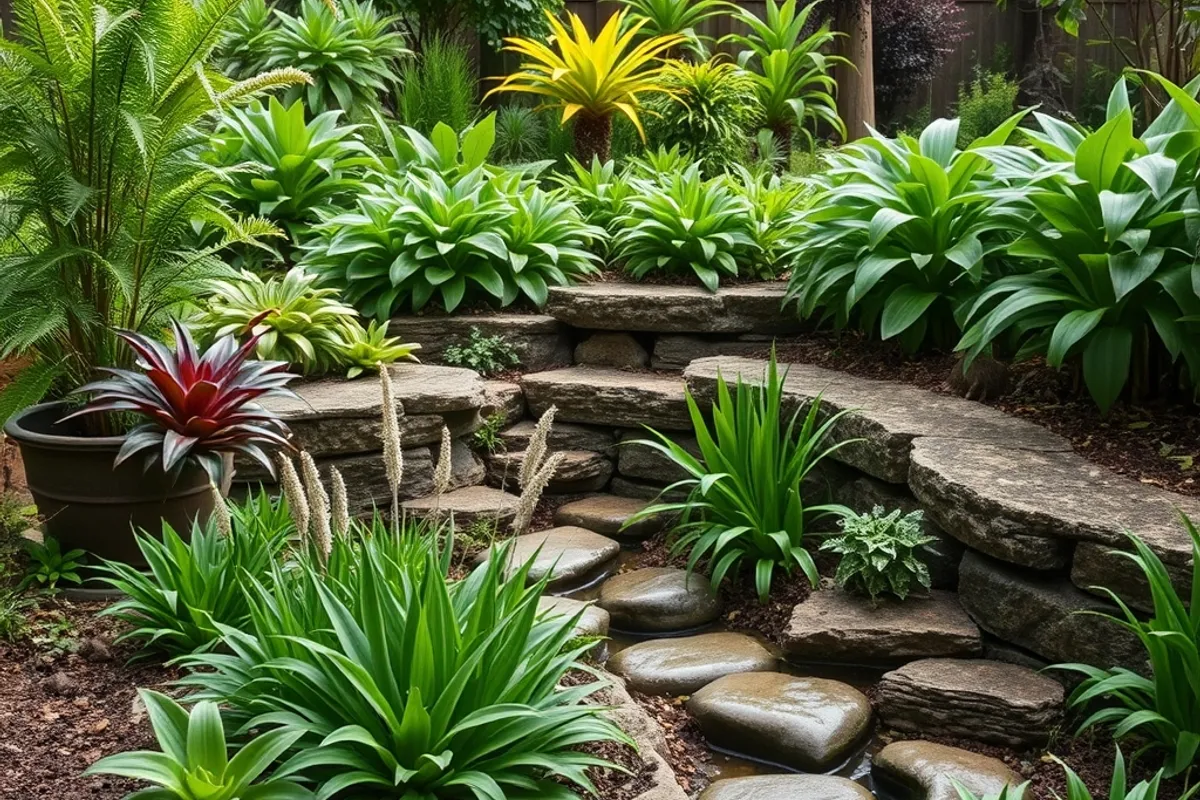
Native landscape design in 2026 is less about planting a prettier garden and more about building a functioning ecosystem in residential form. The projects that performed best combined local plant palettes, soil amendment, and water-smart irrigation rather than the classic ornamental mix of the past.
Plant selection and local ecotypes
Good native design groups plants by ecotype, moisture zone and bloom sequence rather than by individual taste. The result is a garden that looks intentional, establishes quickly and supports seasonal wildlife. Soil prep is critical, because native plants often fail when planted into unamended fill.
Water strategy and rain gardens
Water strategy replaced irrigation schedules with catchment and infiltration design. Rain gardens, bioswales and permeable hardscaping moved runoff from the lawn into planted systems. In our tracked projects, water use dropped sharply while lawn area shrank.
Hardscape integration
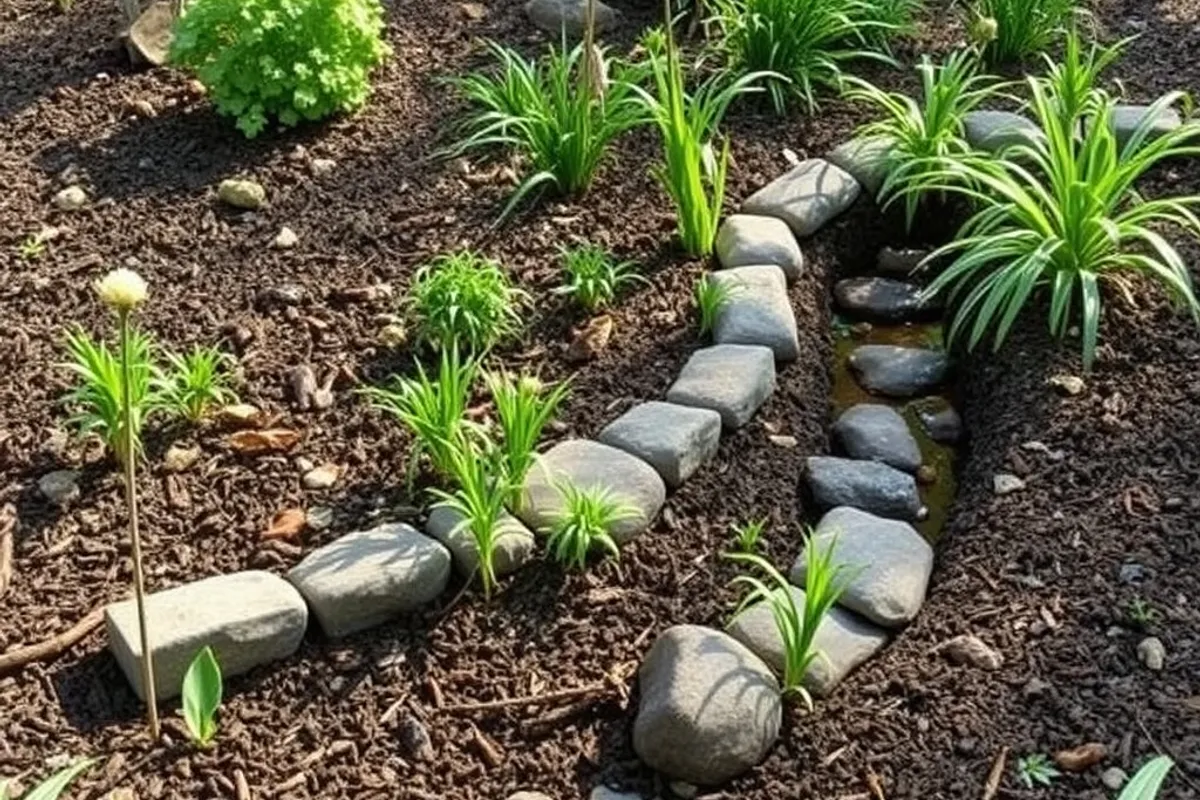
Hardscape and native planting are not opposed. Permeable pavers, natural stone edging and soft transitions kept the landscape functional without reverting to thirsty lawn. Outdoor living areas were integrated into the same water budget.
The bottom line
Native landscape design in 2026 is a water and ecology strategy as much as a planting plan, and it pairs well with the sustainable building guidance in our sustainable homes collection. For the structural side of green homes, read our guide to passive house costs.