Mass Timber Building Materials 2026: What the Frames Are Really Made Of
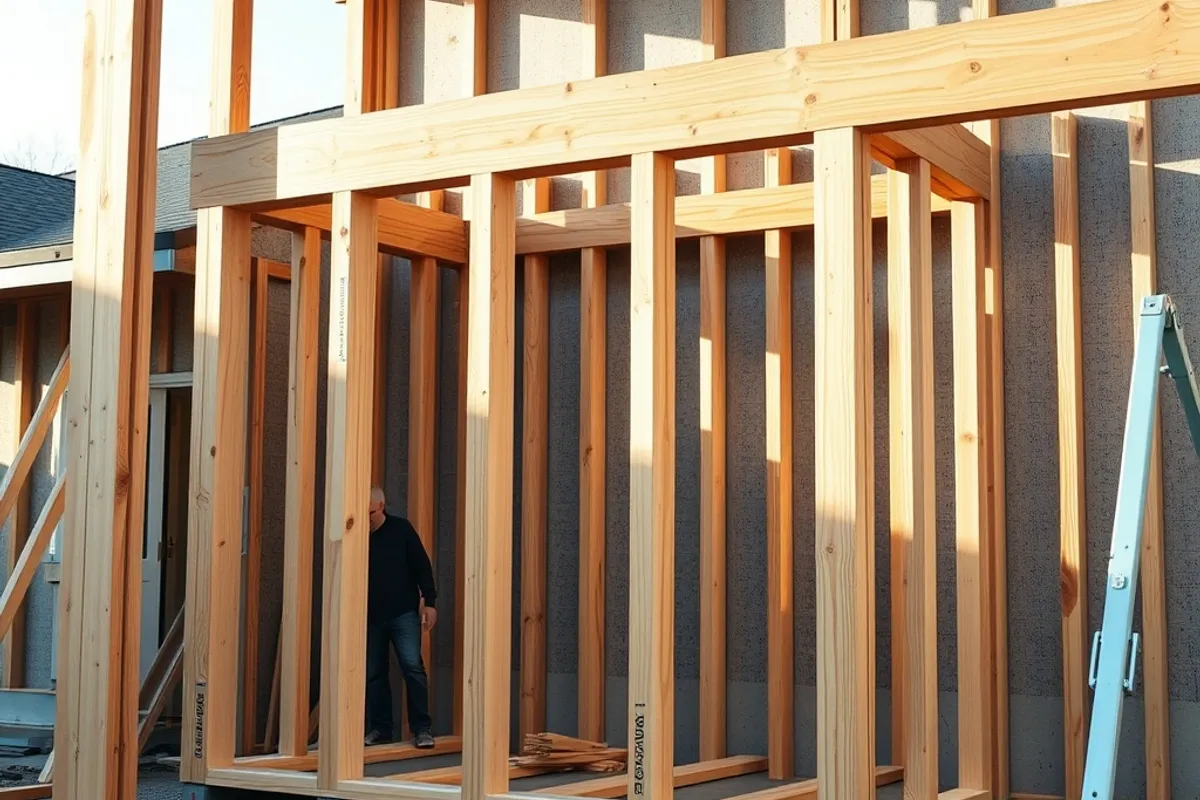
Mass timber construction uses engineered wood products such as cross-laminated timber and glue-laminated timber to build structural walls, floors and roofs at scales once reserved for concrete and steel. In 2026 it moved from experimental to ordinary at residential sizes, and the material costs, sourcing chains and performance data are now readable in one place.
What CLT and glulam actually are
Cost versus concrete and steel
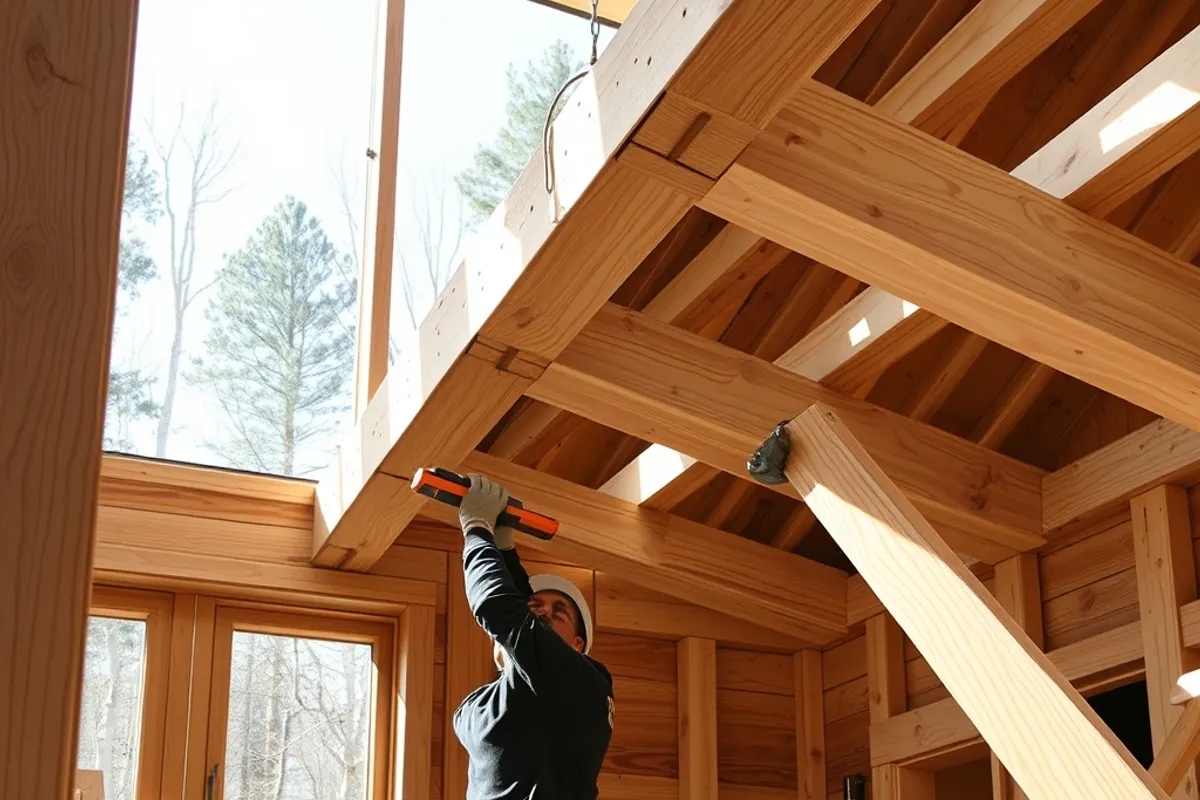
At 2026 pricing, mass timber added roughly 5 to 12 percent to the structural budget against an equivalent concrete frame, before any tax credits. The gap narrowed from the previous decade as engineered timber factories scaled, and as design teams repeated assemblies the cost curve continued to flatten.
Sourcing and performance questions
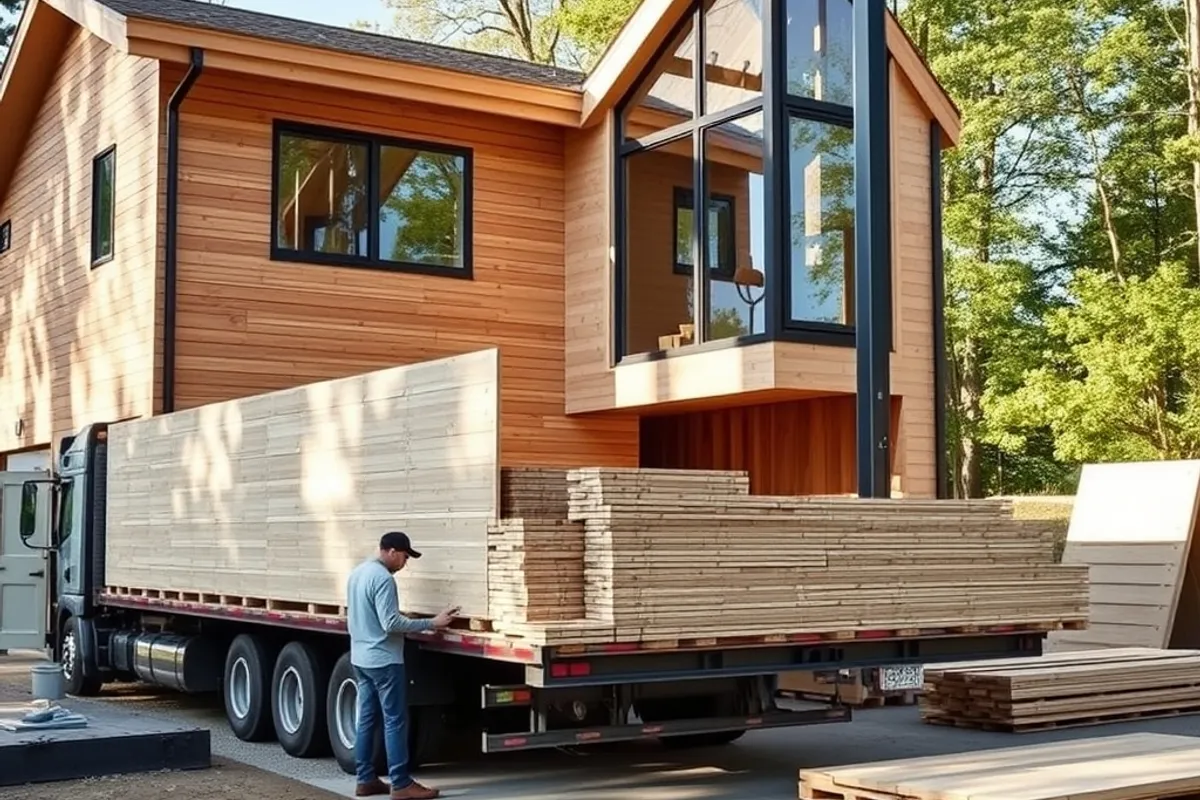
The performance story is strong: timber is renewable, renewable-rated and renewable in the carbon accounting, and the assemblies have performed well in multi-story prototypes. The sourcing story is the constraint, because large-scale CLT programs compete for a limited number of qualified fabricators. Builders planning custom programs in 2026 should lock supply early.
Where mass timber fits in a home
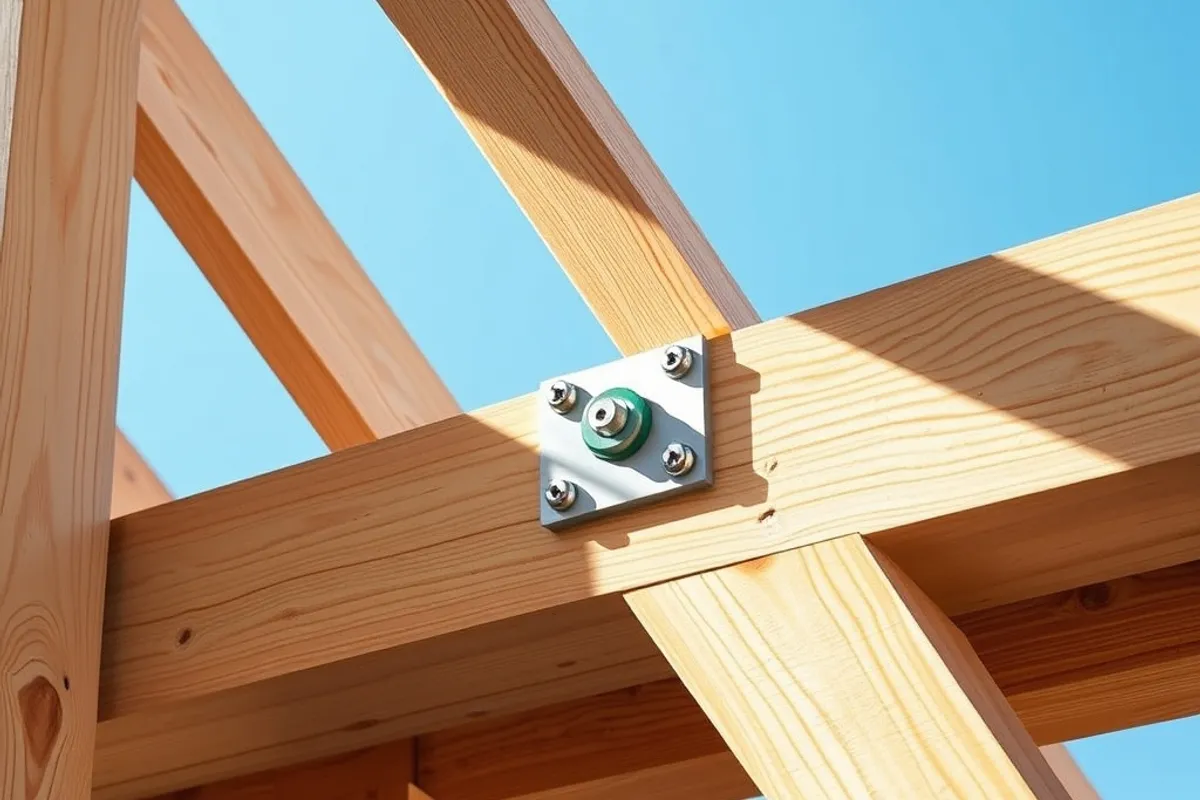
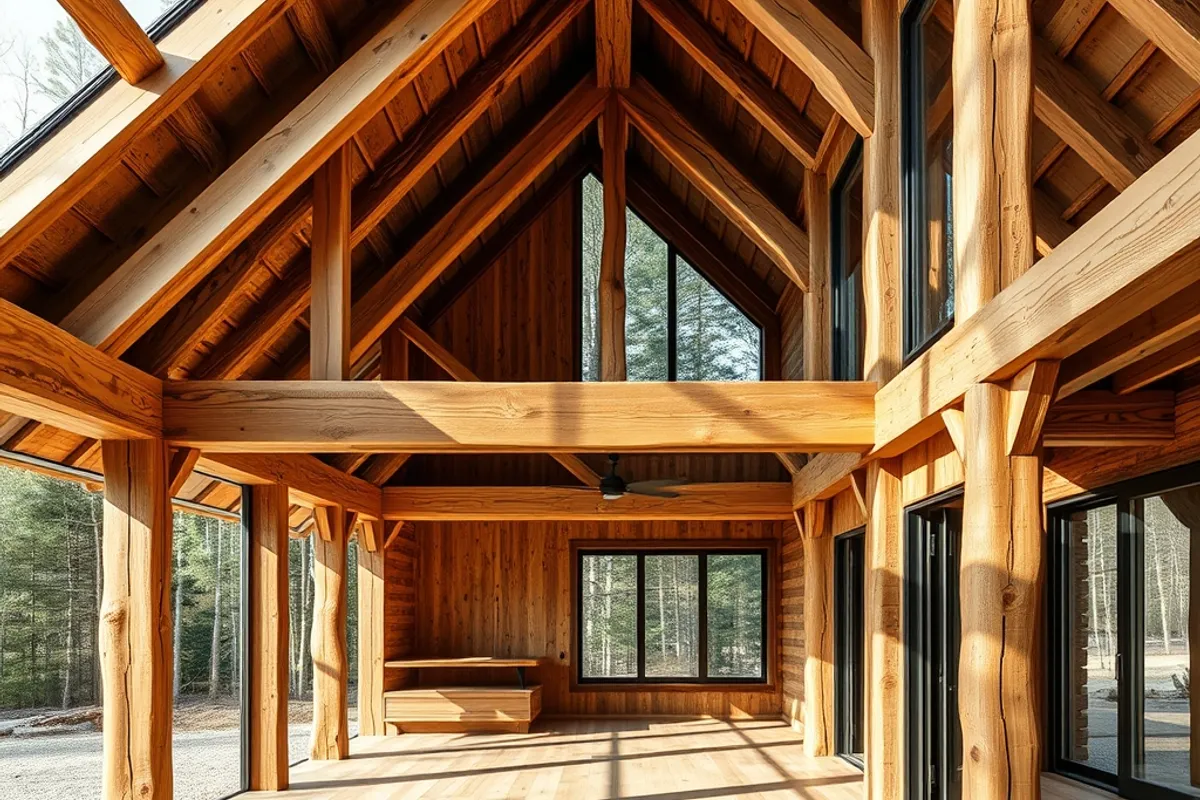
Mass timber is typically used for the primary structure, with concrete or steel reserved for foundations, heavy loads or seismic zones. The decision is usually driven by carbon goals and by cost once programs repeat, and it pairs well with passive house detailing because the assemblies come with their own insulation and air barrier performance.
The bottom line
Mass timber building materials in 2026 are ready for residential use at a 5 to 12 percent structural cost premium, with strong carbon accounting and comparable performance. For the wider sustainable building picture, read our guide to passive house costs and the sustainable homes collection.