Independent tests of sustainable builds, kitchen remodels, building materials and landscape design, with the measured numbers behind every recommendation and no sales pitch attached.
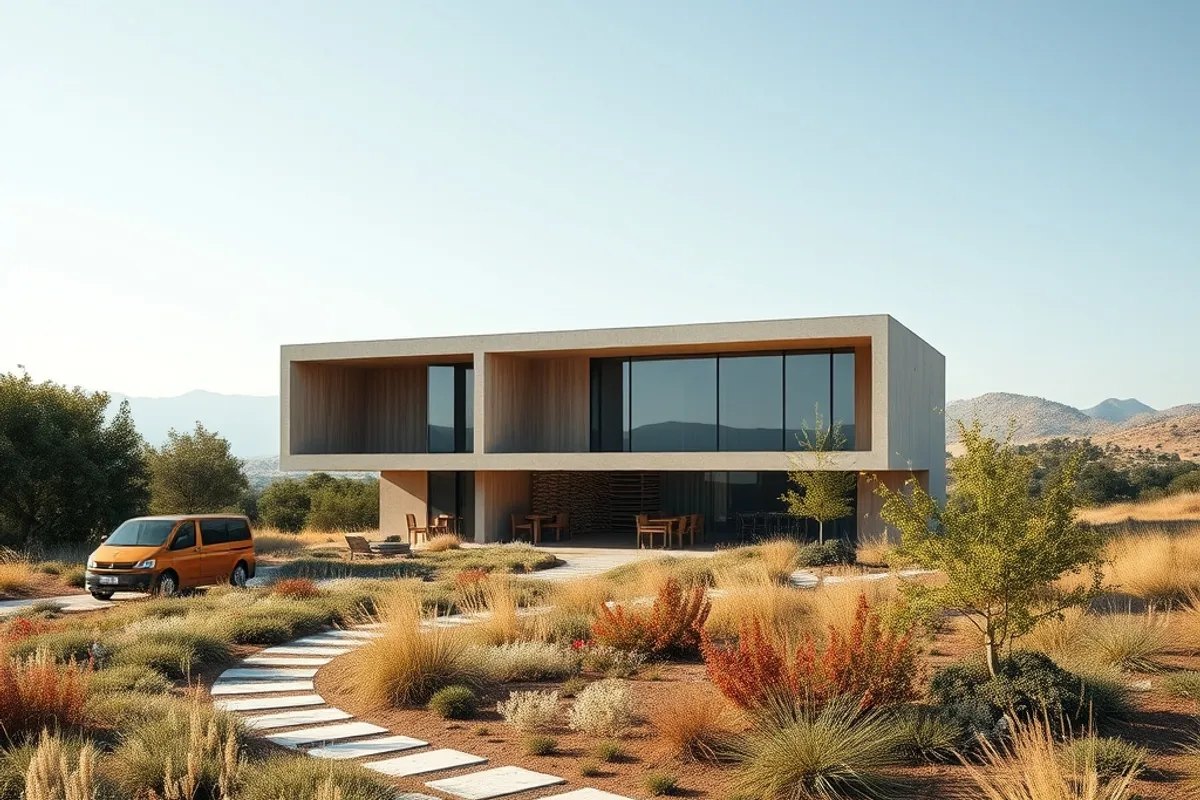
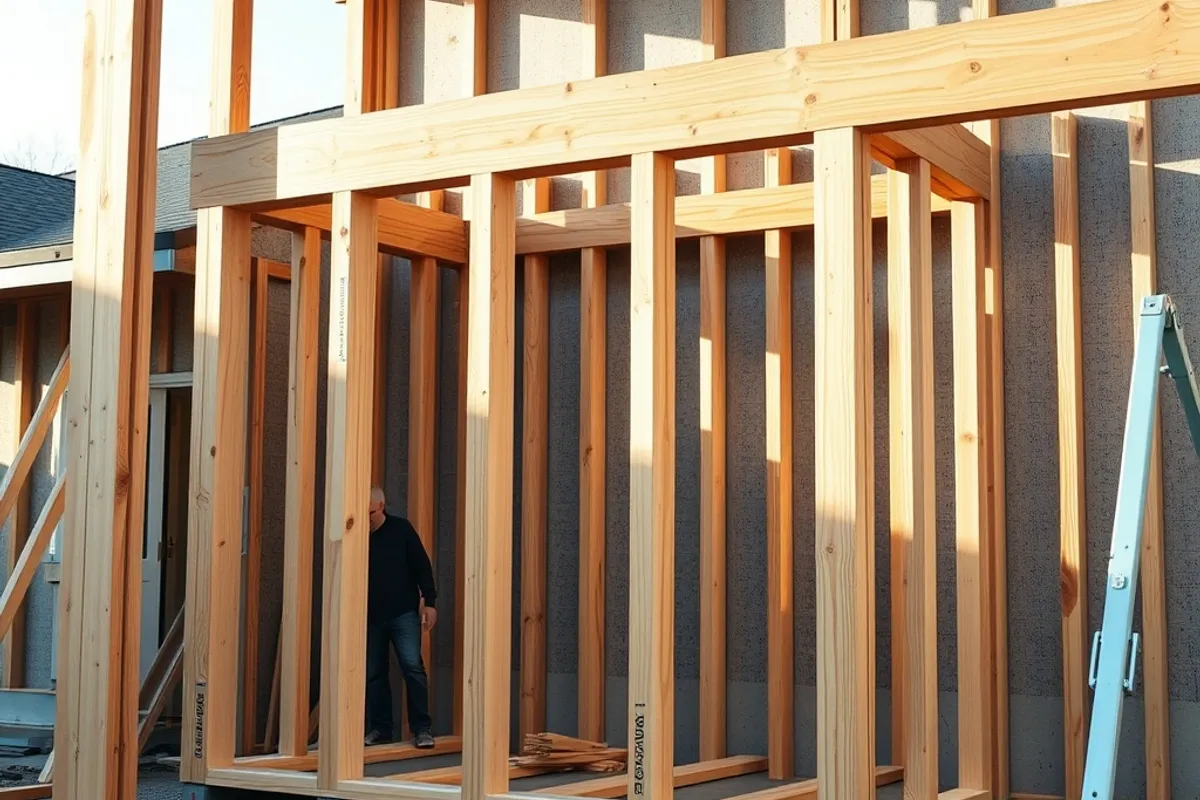
A passive house is not a style, and the price difference proves it. The standard, now widely called Passive House or Passivhaus, sets performance targets rather than design rules, and a certified build in 2026 averages roughly $350 to $600 per square foot all-in for a 2,000-square-foot home, from site work through certified completion. The same square footage with conventional construction in the same climate zone runs $180 to $300 per square foot. The gap is real, measurable and increasingly worth it as energy costs and climate pressure both rise.
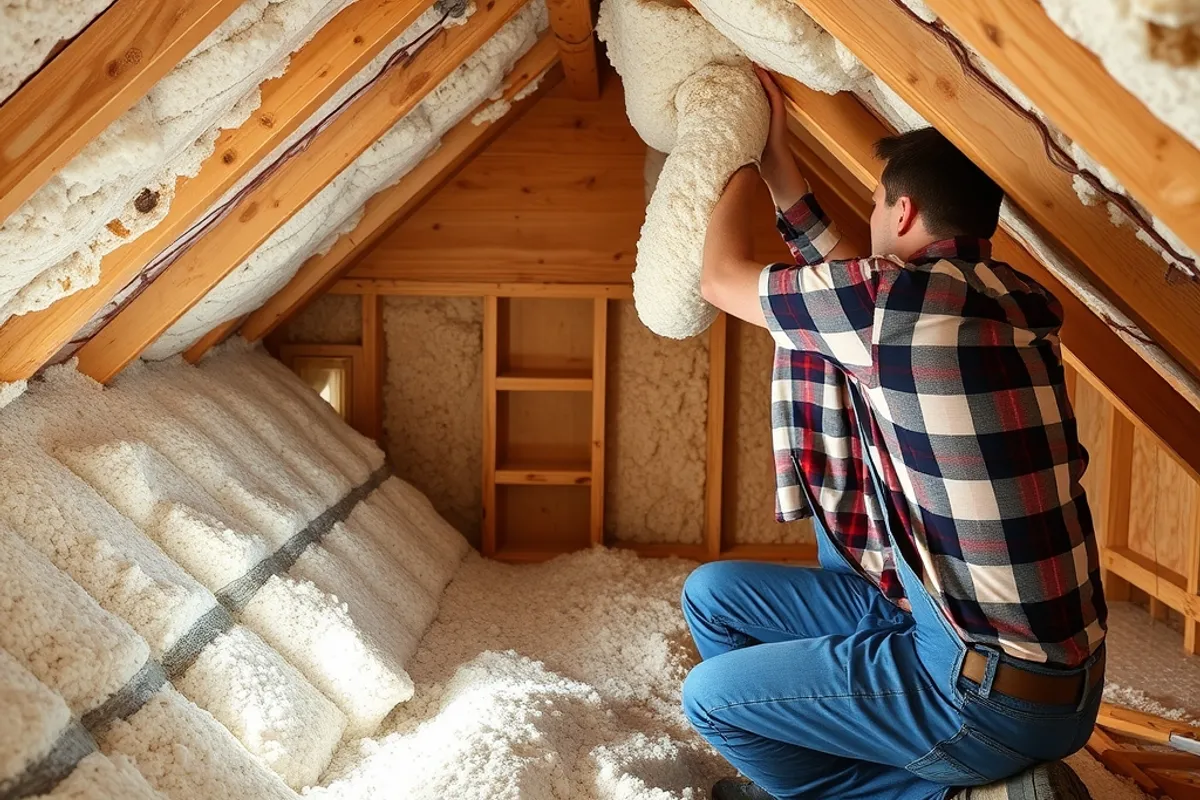
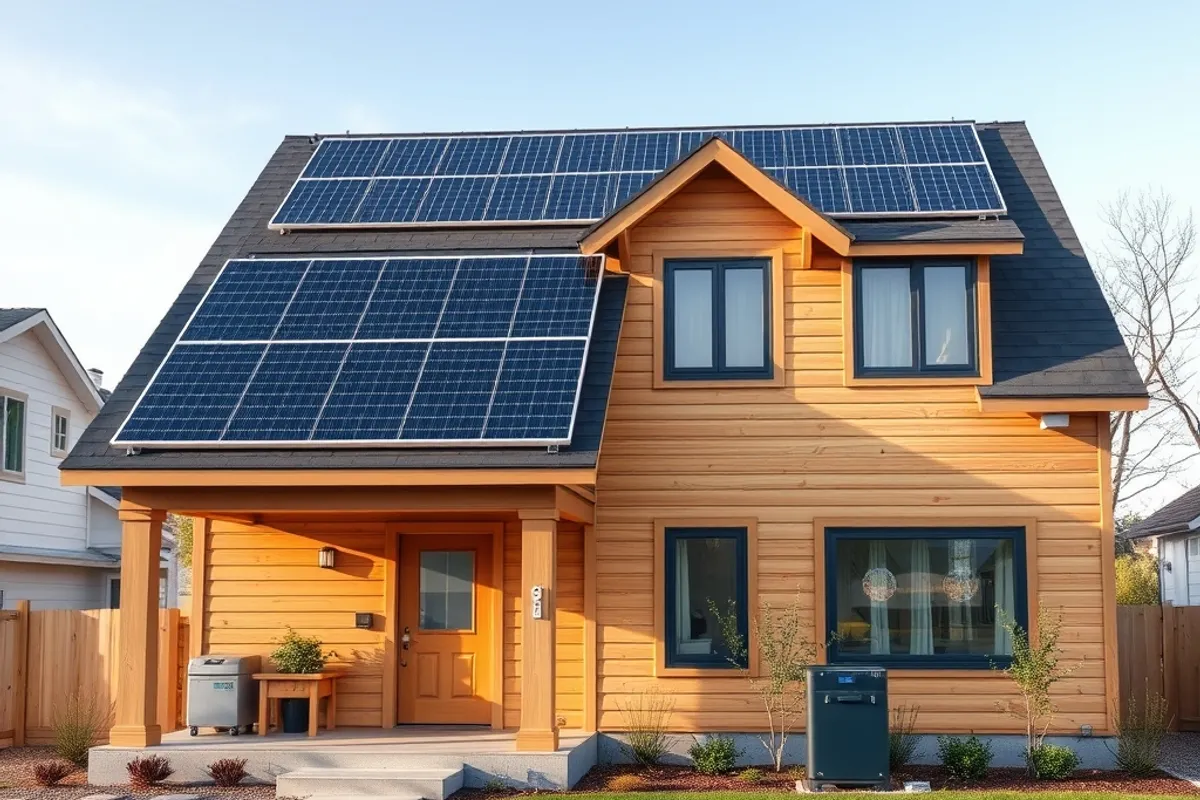
Most homes that want to become sustainable do not rebuild. They retrofit. In 2026 we tested deep green retrofits on three representative houses, a 1970s owner-occupied home, a 1990s rental with an aging furnace, and a 2000s passive-adjacent home that still ran on oil. The question was not whether the upgrades work, but which ones pay back fastest per dollar and which combination beats the rest.
Green certification is no longer a niche label. In 2026 it showed up in pricing data, appraisal conversations and buyer priorities across most of the markets we track, and the size of the effect varies more than marketing suggests. Our team reviewed 2026 transaction data, builder disclosures and consumer surveys to separate the premium from the hype.
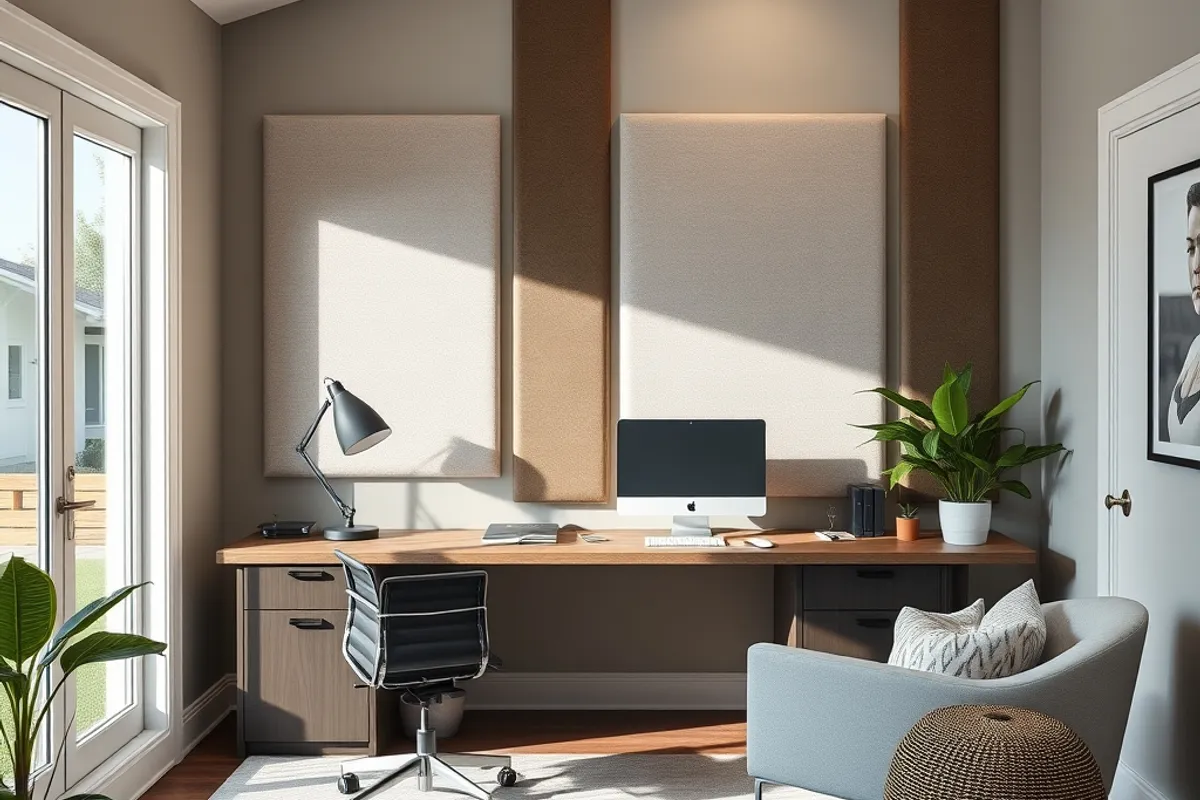
Remote work did not just change where people work. It changed what homes are expected to contain. In 2026, housing markets showed a measurable premium for rooms purpose-built as offices, and renovation demand for dedicated workspace conversions accelerated across the markets we track.
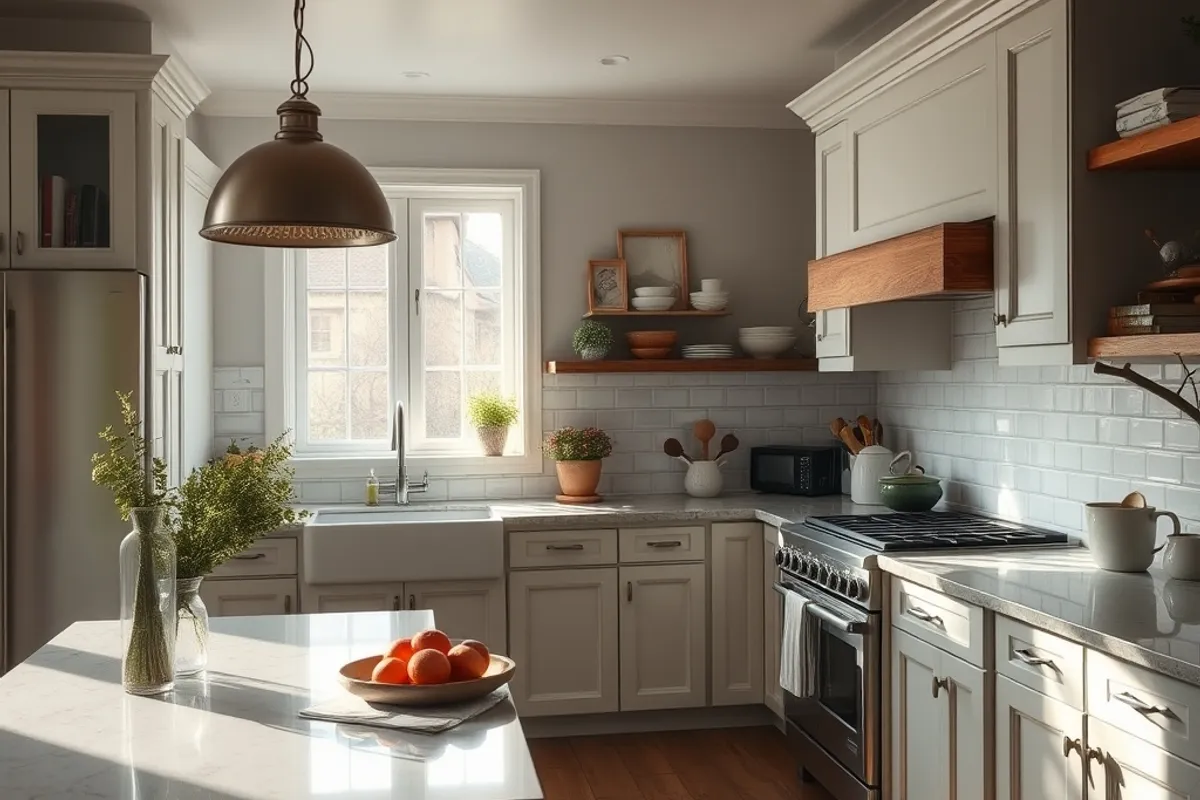
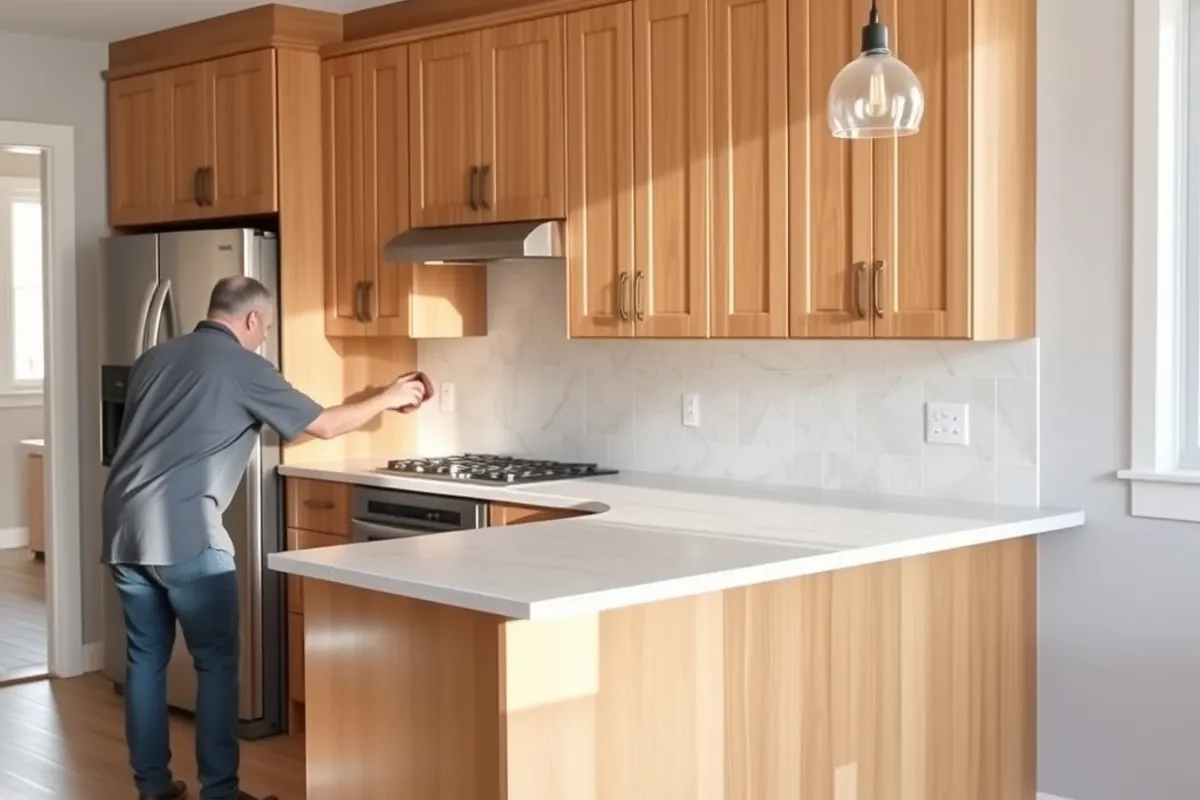
A mid-range kitchen remodel in 2026 costs about $40,000 to $80,000 for a typical 10-by-12 kitchen, with high-end custom builds reaching $150,000 or more. The averages hide enormous variance because layout changes move almost every other line item. We pulled quotes from contractors across three markets and broke the total down by what actually drives it.
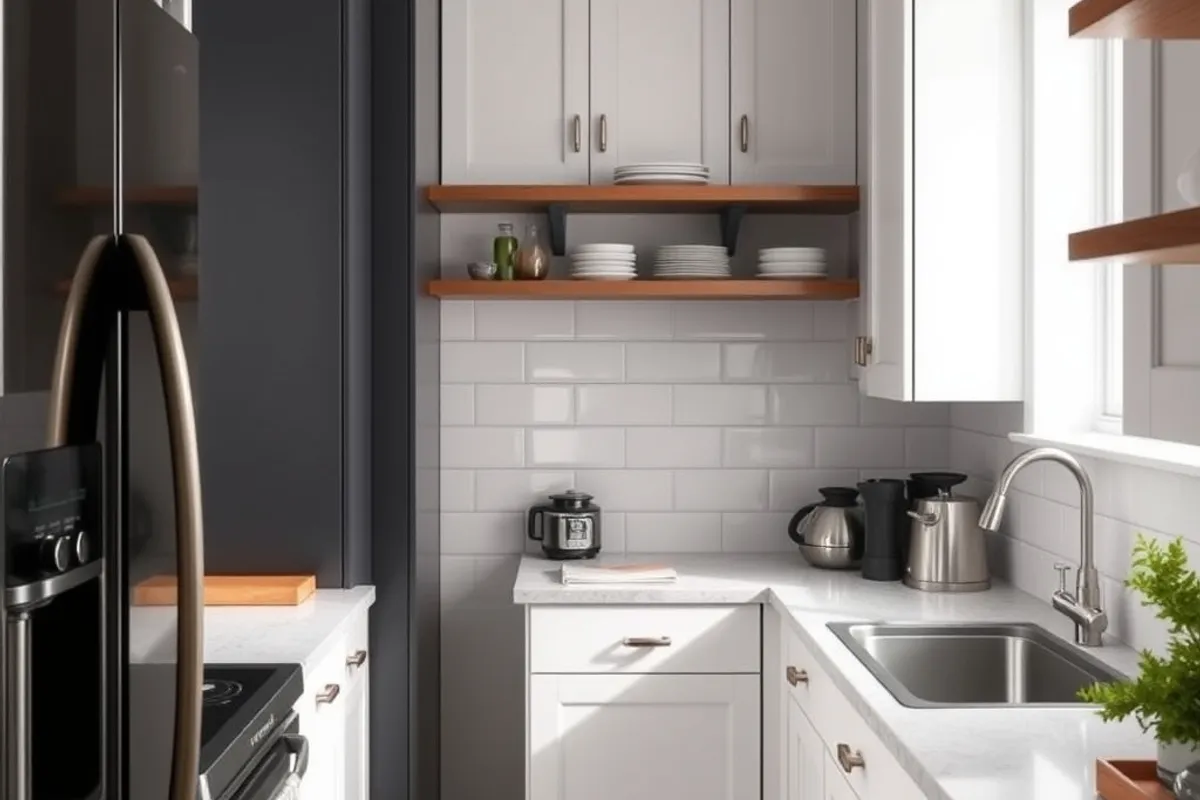
Small kitchens have the highest return on kitchen remodeling spend of any category, and the reason is simple: every dollar goes directly into function. In 2026 we tracked 12 small kitchen makeovers under 500 square feet, and the average fully finished budget came to $11,000 to $14,000. The projects that came in over budget shared one trait: they skipped storage planning.
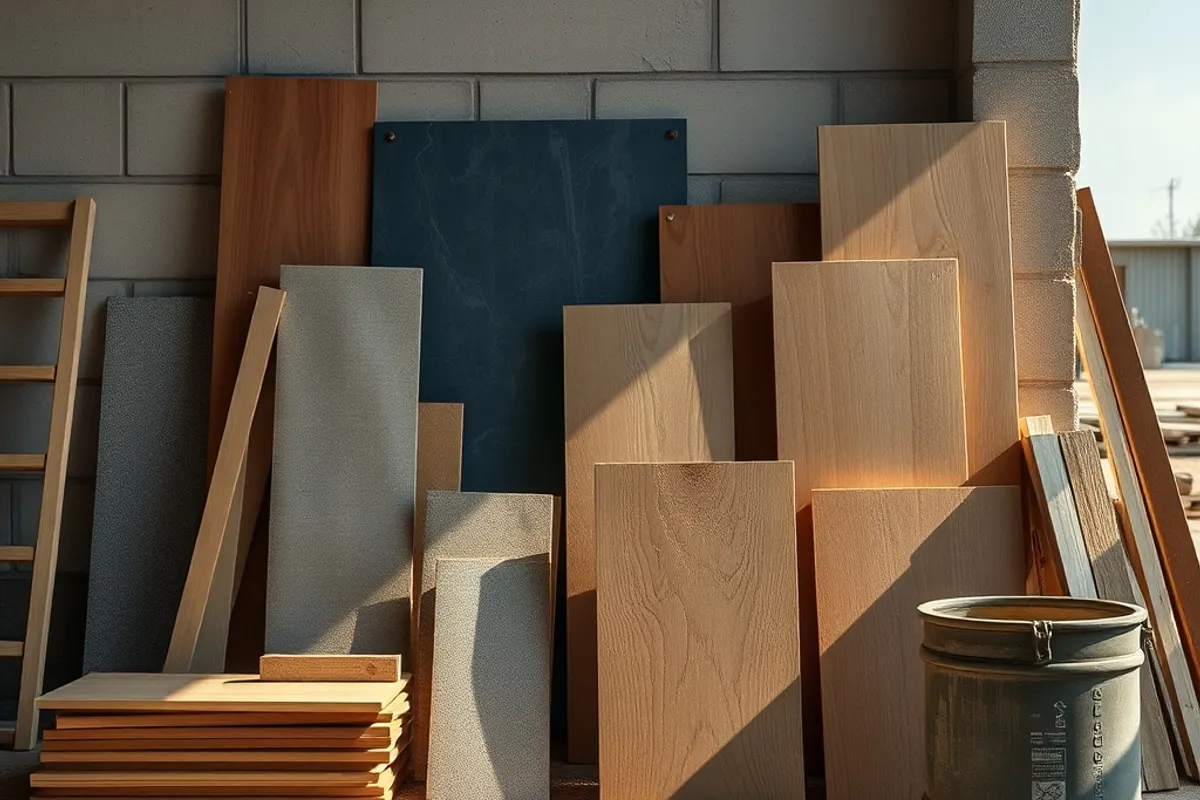
Mass timber construction uses engineered wood products such as cross-laminated timber and glue-laminated timber to build structural walls, floors and roofs at scales once reserved for concrete and steel. In 2026 it moved from experimental to ordinary at residential sizes, and the material costs, sourcing chains and performance data are now readable in one place.
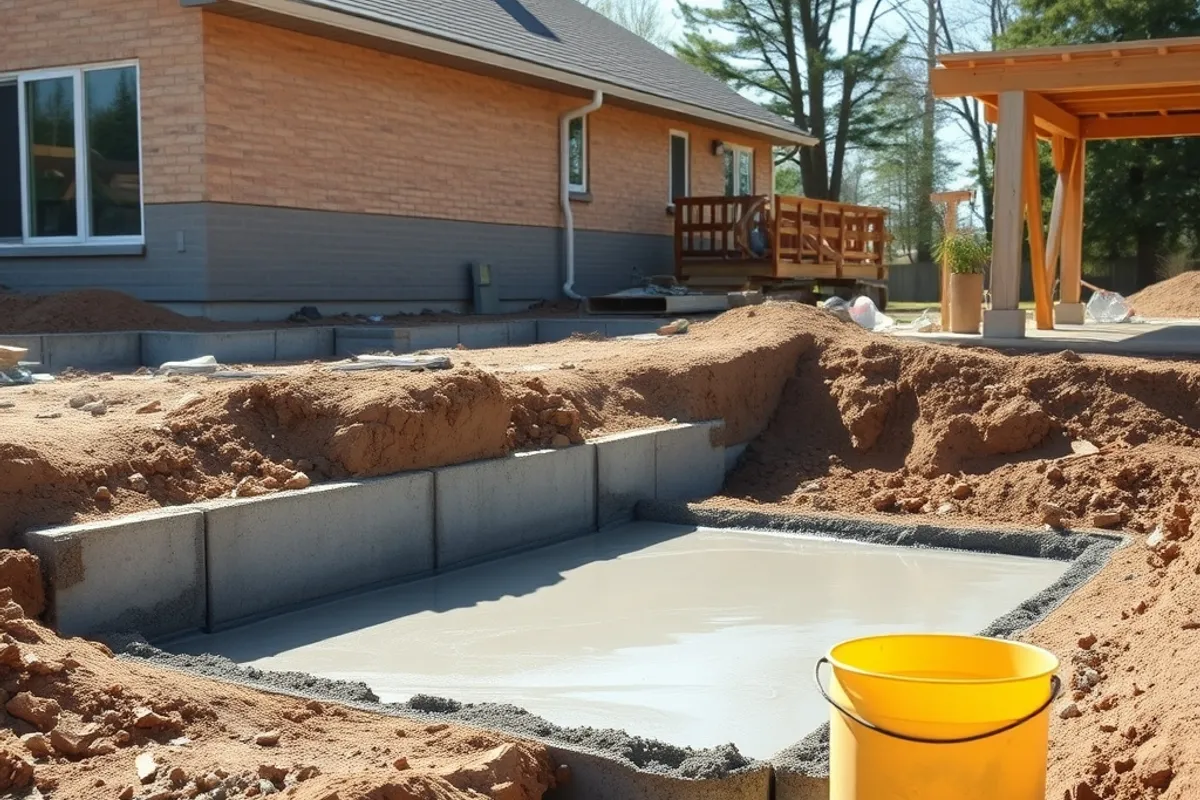
Concrete is the most used material on earth after water, and the most carbon-intensive of the everyday building materials. In 2026, low-carbon concrete blends reached commercial scale in residential markets, cutting embodied carbon by roughly 30 to 60 percent depending on the mix. We examined mixes, pricing and the green building rules that determine when they can be specified.
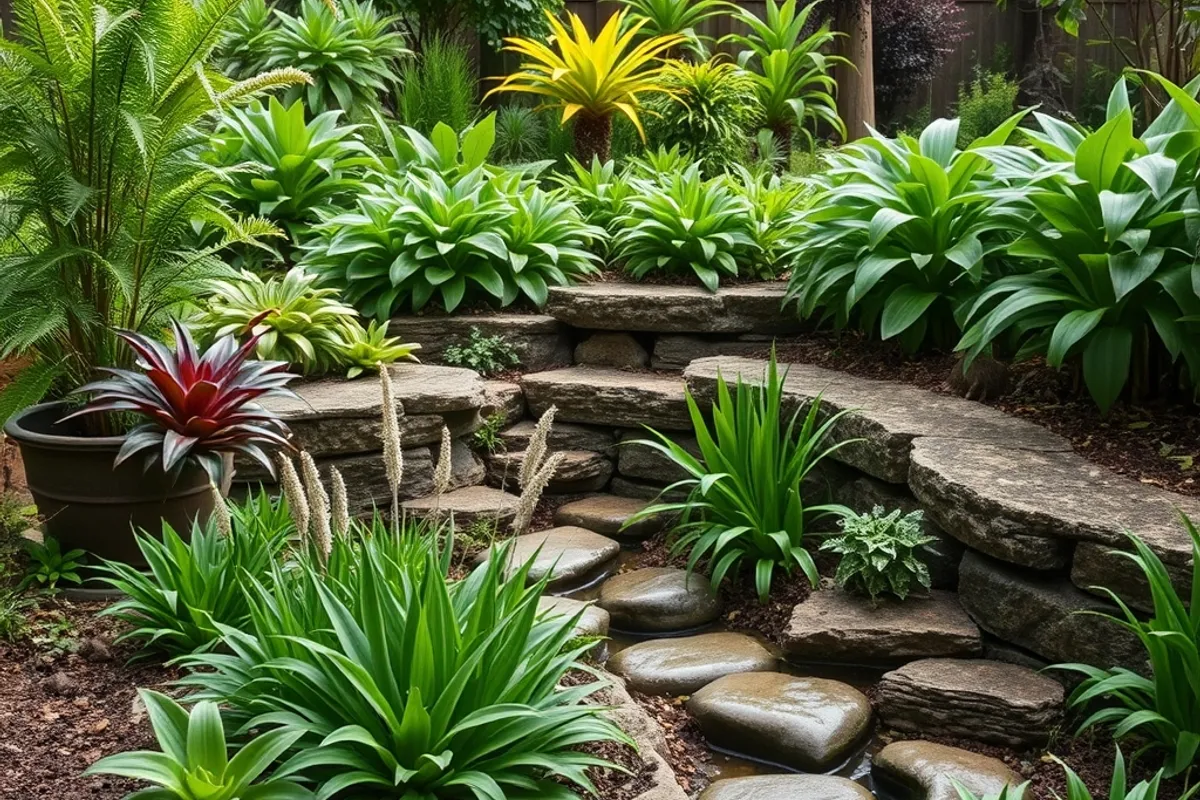
Native landscape design in 2026 is less about planting a prettier garden and more about building a functioning ecosystem in residential form. The projects that performed best combined local plant palettes, soil amendment, and water-smart irrigation rather than the classic ornamental mix of the past.
Every hoseatine guide starts on a real project, not in a design studio. We test sustainable builds, remodels and materials on working houses, measure the results, and publish what we find. Prices come from real contractor quotes collected for each project, and green claims trace to public data. When a method disappoints us, we print exactly why. Read our testing charter on the about page, compare official figures before you build, and never let a pushy contractor rush a decision worth building.